Index of Contents
Welcome to our grilling paradise, where we transform traditional BBQs into unforgettable flavor adventures. Today, we invite you to discover the sweet side of grilling with our mouthwatering grilled desserts. From the sizzle of caramelized fruits to the charred perfection of pound cake, these unconventional grilling techniques will elevate your BBQ experience to new heights.
When it comes to grilling desserts, the possibilities are endless. Get ready to tantalize your taste buds with unique creations that will surprise and delight your guests. Let’s dive into the world of grilled desserts and explore the tantalizing recipes that will make your BBQ a sweet success.
Key Takeaways:
- Grilled desserts add a unique and delicious touch to your BBQ experience.
- From grilled fruit kebabs to caramelized pound cake, there are endless possibilities for creating sweet treats on the grill.
- Creative grilled dessert recipes, like skillet brownies and grilled donut ice cream sandwiches, offer unconventional twists on classic favorites.
- Grilled desserts can be a refreshing and healthy option, like grilled banana splits and grilled brioche with berries.
- Impress your guests with grilled peach melba, a simple yet elegant dessert that combines grilled peaches with raspberry sauce and vanilla ice cream.
Elevate Your BBQ with Grilled Fruit Desserts
Grilled fruit desserts are a refreshing and healthy option for those looking to indulge their sweet tooth. The combination of smoky charred flavors and natural sweetness creates a unique and delicious treat that will impress your guests. From simple grilled fruit kebabs to more elaborate creations, there are endless possibilities to explore.
Grilled Fruit Kebabs
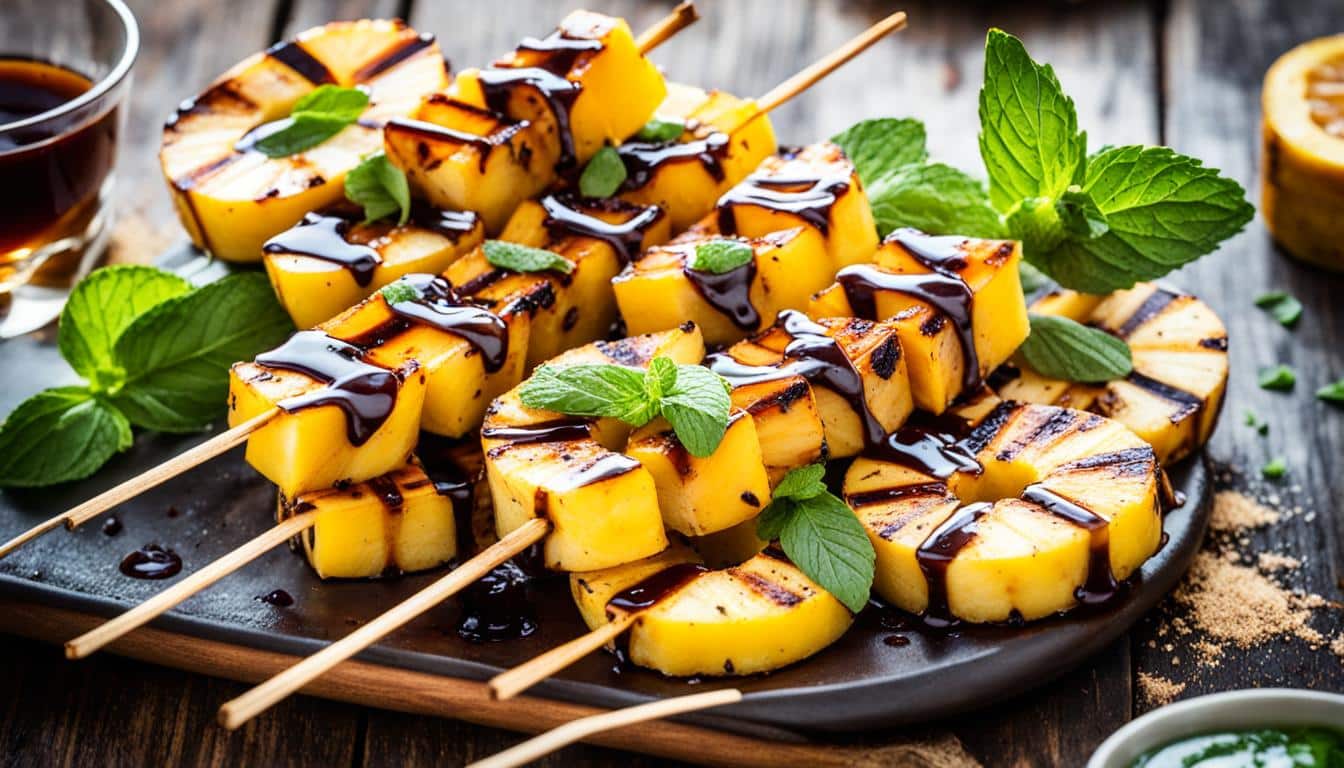
Grilled fruit kebabs are a delightful and colorful way to enjoy fresh fruits on the BBQ. Simply thread your favorite fruits, such as pineapple chunks, strawberries, and watermelon, onto skewers, and grill them until they are tender and slightly caramelized. The heat of the grill enhances the natural sweetness of the fruit, creating a burst of flavor in every bite.
Caramelized Pound Cake
Don’t let that leftover pound cake go to waste! Grilling caramelizes the sugars in the cake, giving it a delightful crunch on the outside while keeping the inside moist and fluffy. Serve it warm with a scoop of vanilla ice cream and a drizzle of caramel sauce for a truly decadent dessert.
Grilled Banana Splits
Take the classic banana split to the next level by grilling the bananas. The heat of the grill caramelizes the sugars in the bananas, intensifying their sweetness and adding a smoky undertone. Top the grilled bananas with your favorite ice cream flavors, whipped cream, chocolate sauce, and nuts for a dessert that will have everyone asking for seconds.
“Grilling fruits not only enhances their taste but also adds a unique smoky flavor that complements their natural sweetness.”
– Grilling Enthusiast
Grilled Brioche with Berries
Indulge in a simple yet elegant grilled dessert by grilling brioche bread and topping it with a medley of fresh berries and a dollop of whipped cream. The heat of the grill creates a crisp exterior on the brioche while keeping the inside soft and buttery. The combination of warm bread, juicy berries, and creamy whipped cream is a delightful burst of flavors and textures.
Grilled fruit desserts are a versatile and delicious way to elevate your BBQ experience. Whether you’re hosting a summer cookout or enjoying a cozy evening around the grill, these grilled treats are sure to satisfy your sweet cravings. So fire up the grill and get ready to indulge in the delectable flavors of grilled fruit kebabs, caramelized pound cake, grilled banana splits, and grilled brioche with berries.
Creative Grilled Dessert Recipes for a Unique BBQ Experience
If you’re looking to impress your guests with unconventional grilling desserts, there are plenty of creative recipes to try. From smoky skillet brownies to grilled donut ice cream sandwiches, these unique treats will elevate your BBQ experience to a whole new level.
1. Skillet Brownies
Nothing beats the rich, chocolatey goodness of brownies. Take them to the next level by making skillet brownies on the grill. The heat from the grill gives the brownies a subtle smoky flavor and a perfectly crispy exterior.
Ingredients:
- 1 cup unsalted butter
- 2 cups granulated sugar
- 4 large eggs
- 1 teaspoon vanilla extract
- 1 cup all-purpose flour
- ¾ cup cocoa powder
- ½ teaspoon salt
Instructions:
- Preheat your grill to medium heat.
- In a heatproof skillet, melt the butter.
- Add the sugar, eggs, and vanilla extract to the skillet, and whisk until well combined.
- In a separate bowl, whisk together the flour, cocoa powder, and salt. Gradually add the dry ingredients to the skillet and mix until just combined.
- Place the skillet on the grill and bake for 20-25 minutes, or until the brownies are set in the center.
- Remove the skillet from the grill and let the brownies cool before serving.
2. Grilled Donut Ice Cream Sandwiches
Combine two beloved desserts into one mouthwatering treat with grilled donut ice cream sandwiches. The warmth of the grilled donut pairs perfectly with the cold, creamy ice cream, creating a delightful contrast of textures and flavors.
Ingredients:
- 4 glazed donuts
- Your favorite ice cream flavor
Instructions:
- Preheat your grill to medium heat.
- Cut each donut in half horizontally.
- Place the donut halves on the grill, cut side down, and grill for 1-2 minutes, or until lightly toasted.
- Remove the donuts from the grill and let them cool slightly.
- Add a scoop of ice cream onto the bottom half of each donut and sandwich it with the top half.
- Enjoy immediately or place in the freezer to firm up.

3. Grilled Angel Food Cake
Give light and fluffy angel food cake a delicious twist by grilling it. The grill adds a subtle smoky flavor and a delightful caramelization to the cake, transforming it into a delectable dessert that pairs perfectly with grilled peaches.
Ingredients:
- 1 store-bought angel food cake
- 4 fresh peaches, halved and pitted
Instructions:
- Preheat your grill to medium heat.
- Cut the angel food cake into thick slices.
- Place the cake slices and peach halves on the grill and cook for 2-3 minutes per side, or until grill marks appear.
- Remove the cake slices and peaches from the grill and serve the cake topped with grilled peaches.
4. Grilled Peach Melba
Enjoy the natural sweetness of grilled peaches in a simple yet elegant dessert. Grilled peach melba combines grilled peaches with a tangy raspberry sauce and creamy vanilla ice cream for a refreshing and flavorful treat.
Ingredients:
- 4 fresh peaches, halved and pitted
- 1 cup fresh raspberries
- 2 tablespoons sugar
- 1 teaspoon lemon juice
- Vanilla ice cream
Instructions:
- Preheat your grill to medium heat.
- Place the peach halves on the grill, cut side down, and cook for 2-3 minutes, or until grill marks appear. Flip the peaches and grill for an additional 2-3 minutes.
- In a small saucepan, combine the raspberries, sugar, and lemon juice. Cook over medium heat until the raspberries break down and the mixture thickens slightly.
- Serve the grilled peaches with a drizzle of raspberry sauce and a scoop of vanilla ice cream on top.
These creative grilled dessert recipes will add a unique touch to your BBQ and impress your guests with their delicious flavors. Whether you’re indulging in skillet brownies, indulging in grilled donut ice cream sandwiches, savoring the crispy goodness of grilled angel food cake with grilled peaches, or enjoying the simplicity of grilled peach melba, these desserts are sure to delight your taste buds and elevate your grilling experience.
Conclusion
Grilled desserts are a fantastic way to add a sweet and unique touch to your BBQ. Whether you’re a grilling enthusiast or just looking to try something new, these recipes will take your BBQ experience to the next level.
From simple grilled fruit kebabs to more elaborate recipes like grilled donut ice cream sandwiches, there are endless possibilities for creating delicious grilled desserts. The grill adds a smoky flavor and caramelizes the ingredients, resulting in mouthwatering treats that will leave your guests wanting more.
So fire up the grill and start experimenting with grilled desserts. Try the grilled banana splits, caramelized pound cake, or even the grilled peach melba. These unconventional grilling methods will impress your guests and have them asking for your secret recipe.
FAQ
What are grilled desserts?
Grilled desserts are sweet treats that are cooked on the grill, adding a unique and delicious twist to traditional BBQ fare.
What are some examples of grilled fruit desserts?
Some examples of grilled fruit desserts include grilled fruit kebabs, caramelized pound cake, grilled banana splits, and grilled brioche with berries.
Can I make desserts using unconventional grilling techniques?
Yes, you can get creative with your grilled desserts! Try making skillet brownies, grilled donut ice cream sandwiches, grilled angel food cake, or grilled peach melba for a unique BBQ experience.
Are grilled desserts a healthy option?
Grilled fruit desserts can be a healthy option as they are made with fresh fruits. However, some grilled desserts may include ingredients like cake or ice cream, which should be enjoyed in moderation.
How can I make grilled desserts for my BBQ?
To make grilled desserts for your BBQ, you’ll need skewers, fruits, cake or bread, and any additional ingredients for your chosen recipes. Preheat your grill, prepare the ingredients, and follow the grilling instructions for each recipe.
Source Links
- https://www.foodandwine.com/desserts/grilled-desserts
- https://www.marthastewart.com/274828/desserts-from-the-grill
- https://www.delish.com/entertaining/g2523/grilled-desserts/
About The Author