

Index of Contents
Ever wondered why your car suddenly stops working on the road? It might be something simple like a belt or hose under the hood. These parts are key to keeping your car running well. We’ll show you why checking them is important and how it can prevent big repair costs later.
Checking car belts is a vital part of car care that many ignore. Did you know most cars fail checks because of missed routine maintenance? This fact shows how crucial it is to watch these small parts. By learning to check belts and hoses, you can avoid big problems and keep your car running well.
We’ll guide you through inspecting belts and hoses. You’ll learn what these parts do and how to spot wear and tear. This guide will give you the skills to keep your car running smoothly for years.
Key Takeaways
- Regular belt and hose inspection prevents costly breakdowns
- 80% of cars fail inspections due to neglected maintenance
- Serpentine belts typically last 60,000 to 100,000 miles
- Signs of failing belts include cracking, glazing, and unusual noises
- Monthly fluid level checks are essential for vehicle health
- Proper maintenance can improve fuel efficiency and reduce emissions
Understanding the Importance of Belt and Hose Inspection
Regular car maintenance is key for your vehicle to run well and last longer. Checking car belts and hoses is a big part of this. These parts are crucial for many systems in your car, so they must work right for your car to stay healthy.
The Role of Belts and Hoses in Vehicle Performance
Belts and hoses are essential for your car’s smooth operation. They support important systems like steering, air conditioning, and engine cooling. If they’re not looked after, they can break down, causing big problems. Regular checks make sure your car runs well and efficiently.
Common Issues and Potential Consequences of Neglect
Ignoring belt and hose checks can lead to big troubles. Issues like wear, cracks, and misalignment can cause engine overheating or loss of power steering. In the worst cases, your engine could fail completely. By focusing on car maintenance, you can dodge these expensive fixes.
Frequency of Inspections: When and Why
Check your vehicle every 3,000 miles or when you change the oil. This helps spot problems early, preventing big issues and making your car last longer. Remember, checking car belts and hoses regularly helps avoid sudden breakdowns.
| Inspection Frequency | Benefits |
|---|---|
| Every 3,000 miles | Early issue detection |
| During oil changes | Convenient timing |
| Regular intervals | Prevents major failures |
| Consistent checks | Extends vehicle lifespan |
Essential Tools and Preparation for Inspection
Proper belt and hose inspection needs the right tools and prep. We’ve listed essential items for a detailed vehicle check. Always put safety first during any inspection.
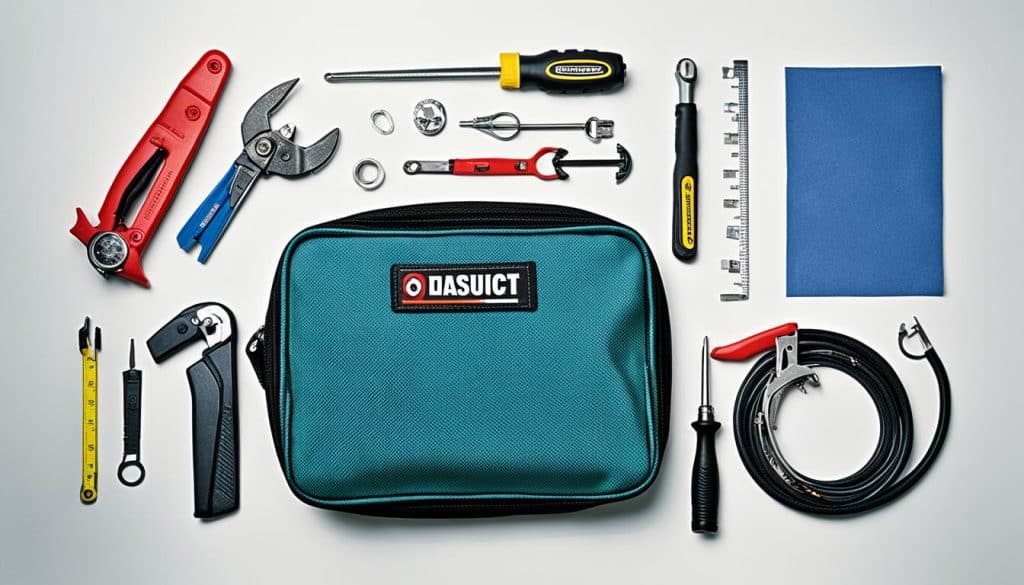
Before you start inspecting belts and hoses, collect these important tools:
- Flashlight
- Gloves
- Belt tension gauge
- Owner’s manual
Make sure your vehicle is parked on a flat surface with the engine turned off and cool. This makes inspections safe and precise. Use the owner’s manual to learn about your vehicle’s belt and hose setup. This will help spot potential problems more easily.
Regular checks are key for keeping your vehicle safe and running well. The Federal Motor Carrier Safety Administration (FMCSA) says commercial drivers must do pre-trip inspections, which take 15 to 30 minutes. Even if you don’t have to do this for your car, following a similar routine can catch big problems early.
| Inspection Type | Frequency | Key Components |
|---|---|---|
| Daily | Before every trip | Brakes, tires, fluids, electrical systems |
| Weekly | Once a week | Lights, engine components, brake systems |
| Monthly | Once a month | Cooling system, exhaust system, transmission |
By sticking to these steps and using the right tools, you’re set for a detailed belt and hose inspection. Regular checks keep your vehicle running smoothly and avoid sudden breakdowns.
Belt and Hose Inspection: Step-by-Step Guide
Regularly checking your car’s belts and hoses is key to keeping your vehicle in good shape. We’ll show you how to inspect them step by step. Doing this can stop big problems before they start and keep your car running well.
Visual Inspection Techniques
Begin by looking at the belts and hoses. Check for signs of wear, cracks, or fraying on belts. For hoses, watch for bulges, soft spots, or brittleness. Feel them with your hands to find any hidden problems.
Checking for Wear, Cracks, and Damage
Focus on the belts and hoses’ condition. If belts have cracks or frayed edges, they need to be replaced. For hoses, look for soft spots or cracks. Remember, a full-service oil change uses up to five quarts of oil, making it a great time to check these things.
Assessing Tension and Alignment
It’s important that belts are properly tensioned and aligned. Use a gauge or press on the belt to check tension. Make sure pulleys and belts are aligned right. Wrong alignment can cause belts to wear out too fast or fail early.
Identifying Signs of Leaks or Deterioration
Look for leaks on hoses, especially where they connect. Listen for strange sounds when the engine runs. These signs can mean belt or hose problems. Regular checks help find hidden issues, just like regular oil changes keep your car running well. Adding these checks to your maintenance routine helps avoid sudden breakdowns.
FAQ
Why is it important to inspect belts and hoses?
How often should I inspect my vehicle’s belts and hoses?
What tools do I need for a belt and hose inspection?
What should I look for during a visual inspection?
How do I check for proper belt tension and alignment?
What other signs should I watch for during an inspection?
Source Links
- Top Tips for Maintenance A Car Needs in San Diego and Area – https://www.chulavistaford.com/what-maintenance-does-a-car-need
- Complete Checklist for Routine Car Maintenance – https://www.kandmautoservice.com/car-care-tips/complete-checklist-for-routine-car-maintenance/
- What Is a Serpentine Belt? And When Should You Replace It? | Virginia Tire & Auto – https://vatire.com/car-maintenance-tips/everything-you-need-to-know-about-serpentine-belts/
- Mayor Mantello, Chief DeWolf Host Promotion Ceremony for Two Officers – https://www.troyny.gov/CivicAlerts.aspx?AID=238
- Tips to avoid brake violations – https://www.ccjdigital.com/maintenance/components/article/15680859/tips-to-avoid-brake-violations
- Airport Smart Baggage Handling Solutions Market Forecast: Revenue Trends and Growth Projections for period from 2024 to 2031. – https://www.openpr.com/news/3630314/airport-smart-baggage-handling-solutions-market-forecast
- Preventative Maintenance: How to Get the Most Mileage Out of Your Truck – https://truckstop.com/preventative-maintenance-guide/
- Helpful Solutions for 4 Bulk Material Handling Problems | IBT Industrial Solutions – https://ibtinc.com/bulk-material-handling-solutions/
- 12 Tips for Finding and Fixing Leaks In Your Roof – https://www.familyhandyman.com/list/roof-repair-how-to-find-and-fix-roof-leaks/
- What’s Included In A Full-Service Oil Change? | Endurance Warranty – https://www.endurancewarranty.com/learning-center/expert-auto-tips/full-service-oil-change/
About The Author


